Stacy Millicent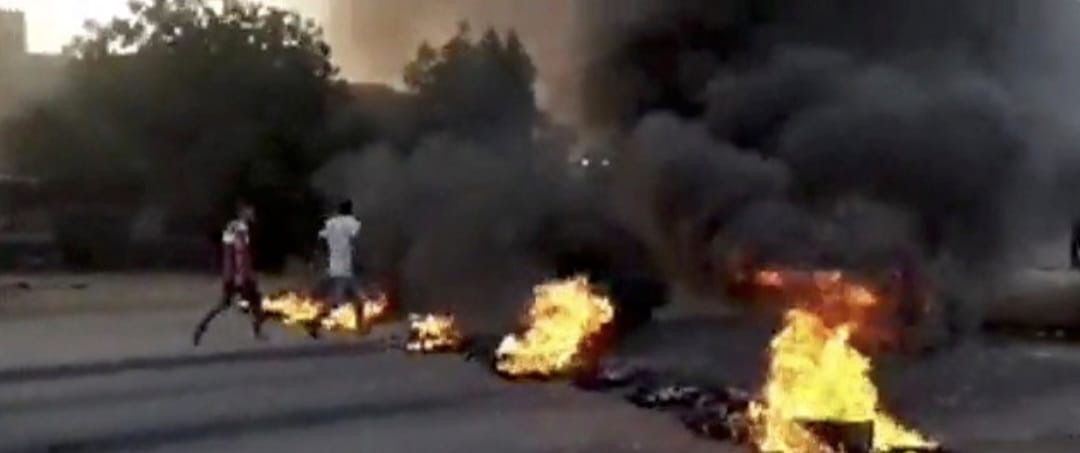
Sudan is facing one of the world’s worst crises today.
For more than two years, the country has been trapped in a deadly war between two powerful groups the Sudanese Army (SAF) and the Rapid Support Forces (RSF).
The fighting started in April 2023 after months of tension between army leader General Abdel Fattah al-Burhan and RSF commander Mohamed Hamdan Dagalo, also known as Hemedti.
What began as a power struggle in the capital, Khartoum, has turned into a full-scale war that has spread across most of Sudan.
Millions of people are now living in fear. Homes, hospitals, schools, and markets have been destroyed. Families have been separated, and children are growing up surrounded by gunfire instead of classrooms.
Life in the Middle of the War
Every day in Sudan brings new suffering. Many cities including Khartoum, Omdurman, El Fasher, and Nyala have been turned into battlefields. Civilians are caught in the middle.
According to the United Nations, more than 12 million people have been forced to leave their homes, and 24 million need urgent help with food, water, or shelter. That’s more than half of Sudan’s population.
Hospitals are running out of medicine. In some areas, doctors work without pay, using basic tools to save lives. The World Health Organization (WHO) says hundreds of health centers have been attacked or destroyed since the fighting began.
“We have no hospitals left, no schools, no clean water,” said Amira, a displaced mother from Khartoum, speaking to a local aid worker. “We just want peace so our children can live.”
Darfur Again in Flames
The region of Darfur, which already suffered a brutal conflict in the early 2000s, is once again seeing terrible violence. Witnesses say armed groups linked to the RSF have attacked towns and villages, targeting people based on their ethnic background.
In El Fasher, a drone strike hit a camp for displaced people earlier this month, killing at least 60 civilians, including women and children. Local groups described the attack as “a massacre.”
Human rights organizations such as Amnesty International and Human Rights Watch have reported mass killings, rape, and looting in Darfur. Some international observers have warned that these attacks could amount to war crimes or even genocide, though official investigations are still ongoing.
Hunger and Disease Rising
The war has created what the United Nations calls the world’s largest hunger crisis. Farmers cannot plant crops because of fighting. Food prices have tripled. Aid trucks are blocked or attacked on their way to the most affected regions.
In many towns, people survive on one meal a day. Children are dying from malnutrition.
Health workers also report rising cases of cholera, malaria, and measles due to unsafe water and poor sanitation.
The U.N. recently appealed for $6 billion to help Sudan, but only a small portion has been received.
“Sudan’s crisis is massive, but the world’s attention is elsewhere,” said Martin Griffiths, the U.N. humanitarian chief. “If we don’t act now, millions will die silently.”
A Failing Peace Process
Several peace talks have been held in Jeddah, Cairo, and Addis Ababa but none have succeeded. Both sides accuse each other of breaking cease-fires and blocking humanitarian aid.
The army controls parts of the east and the north, while the RSF dominates much of Darfur and the western regions.
Analysts warn that if the war continues, Sudan could split into several territories controlled by rival forces.
International pressure is growing, but efforts by the African Union, United Nations, and United States have not yet led to a permanent truce.
Neighboring countries like Chad, Egypt, and South Sudan are now hosting millions of refugees, putting more strain on their already weak economies.
Voices from the Ground
Ordinary Sudanese people continue to share their stories despite internet blackouts and censorship.
“Every night we hear bombs. We don’t know who is fighting whom anymore,” said Ahmed, a teacher from Omdurman who fled to Port Sudan.
“We left everything behind — our house, our friends. My children have not been to school in a year.”
In the city of Nyala, a nurse named Sara works in a small clinic that still treats patients. “We have no medicine, no clean water, but people keep coming,” she said. “They trust that we can help, even if we have nothing.”
These voices tell a story of hope and strength, even in the middle of tragedy.
International Reaction
The international community has condemned the violence but has done little to stop it. Some countries have imposed sanctions on RSF and army leaders, but weapons continue to reach the battlefield through smuggling routes.
Humanitarian groups are calling for more pressure on both sides to allow safe corridors for aid and to protect civilians.
The United States and European Union have both said that some acts committed in Sudan could be considered ethnic cleansing, while the International Criminal Court (ICC) has opened investigations into possible war crimes.
What the Future Holds
No one knows how long the war will last. Experts say there are three possible outcomes:
1. Escalation — The fighting continues, more cities are destroyed, and famine spreads.
2. Stalemate — Neither side wins, and Sudan remains divided for years.
3. Negotiated Peace — A new agreement could lead to shared power, but trust is very low.
For now, Sudan’s people wait — tired, hungry, and uncertain about tomorrow.
The World Must Not Look Away
Sudan’s war is not just an African crisis; it’s a human one. The violence is tearing families apart, pushing millions into hunger, and creating one of the largest refugee movements in modern history.
If the world ignores Sudan, another generation could grow up knowing only war.
Peace will need more than politics it will need compassion, justice, and real action.
As one Sudanese activist said: “We don’t need pity. We need the world to see us, to hear us, and to help us live.”